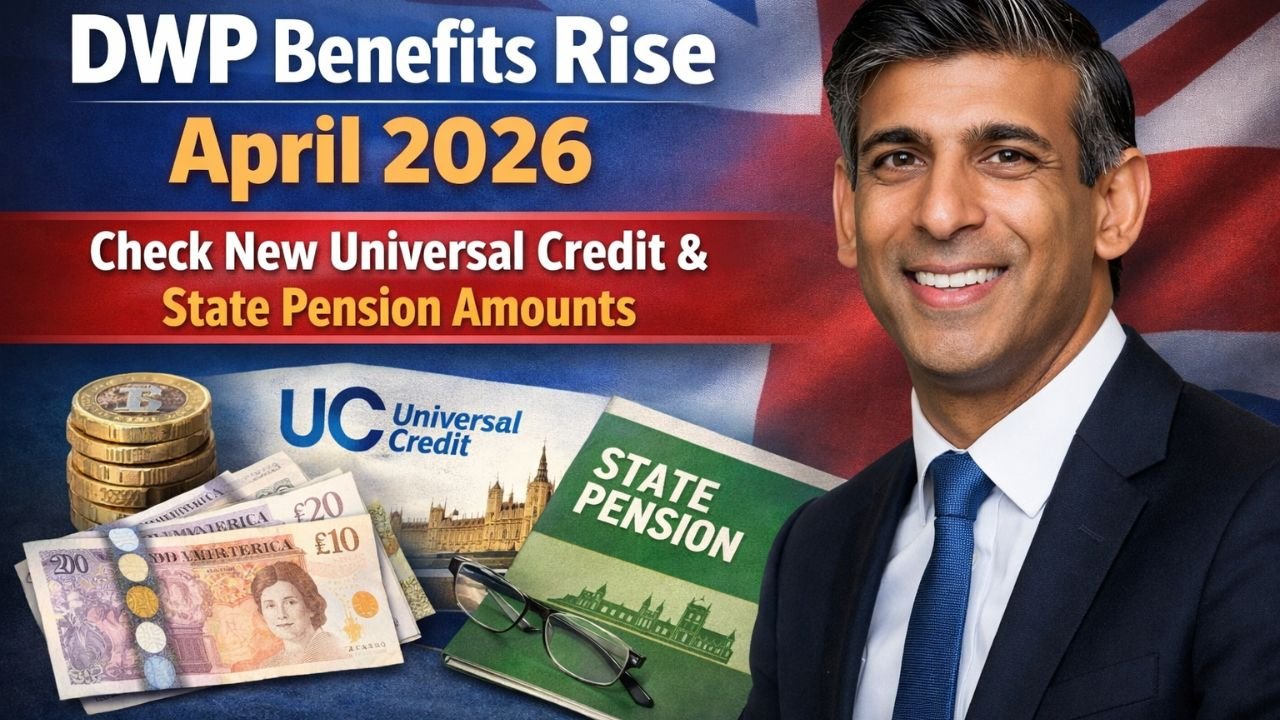
As April 2026 arrives, many households in the UK will experience changes when the Department for Work and Pensions (DWP) make the annual benefits adjustments. This year is going to be unlike the rest since these adjustments will be made without considering the inflation impact. Most disabilities and carer supports will still increase according to the inflation (Consumer Prices Index – CPI) whereas, there will be additional increases to the Universal Credit and State Pension as a result of various legal and policy changes. These changes are important to know with an increase in the cost of living. The changes will come into effect on April 6, 2026, and will help combat the cost of living increases we have experienced over the last year.
State Pension Uplift and the Triple Lock Guarantee
The Triple Lock guarantees and increased state pensions mean that the pensions of state-held prices are set to increase. This means that state pensions increase when there are increases in the rate of inflation of septembers. This means there is September inflation, substantial increases in average earnings, or increases in earnings of 2.5%. For the financial year 2026/27, the state pensions of the new system are increasing by 4.8%. This rate of increase has been noted to be the highest in May to July; relatively to 3.8% increases in CPI and even to the 2.5% lower average. From the previous year, full new state pensions will increase to 241.30 and will increase by 11 pw. Old basic state pensions also state an increase in their payments, which will be noted to be the old 184.90. With this system, it will be ensured that the profits of pensioners will be equal to the profits of the new state pension, which will be equal to the profits of the pensioners.
Adjustments to Universal Credit Standard Allowance
In this case, most analysts describe these adjustments as an identified “rebalancing” of the welfare system. Claimants of Universal Credit are given adjustments beyond the rate of inflation that would constitute the standard allowance. The relevant Consumer Price Index (CPI) inflation rate for the relevant period was 3.8% and the government granted an additional 2.3% increase to the Universal Credit standard allowance. Consequently, this results in total adjustments of close to 6.2%. This is the first instance where this benefit has been permanently adjusted beyond the inflation rate. The monthly payment for one individual aged 25 and over now increases from £400.14 to £424.90. Although this law change is meant to aid the low income working class and families, it is being implemented simultaneously with more restrictive policies affecting some health-related aspects for new claimants, as a clear attempt to encourage work.
DWP Benefits 2026/27 Key Increases
To assist with the easier understanding of the rate adjustments and how these affect monthly and weekly totals, the table below captures the most relevant new rates for payment categories that are most often claimed. The amounts indicated are the \”standard\” amounts before any further adjusting components (such as housing, children, or disability additions) are factored into the claim.
| Benefit Type | Old Rate (2025/26) | New Rate (2026/27) | Frequency |
| New State Pension (Full) | £230.25 | £241.30 | Weekly |
| Basic State Pension (Full) | £176.45 | £184.90 | Weekly |
| UC: Single (Aged 25+) | £400.14 | £424.90 | Monthly |
| UC: Joint Claimants (Both 25+) | £628.10 | £666.97 | Monthly |
| Personal Independence Payment (Daily Living – Enhanced) | £110.40 | £114.60 | Weekly |
| Carer’s Allowance | £83.80 | £86.45 | Weekly |
Impact on Disability and Carer Benefits
All essential benefits like Personal Disability Payment (PIP), Disability Living Allowance (DLA), and Carer’s Allowance fall well below inflation increasing only by standard inflation rate and 3.8% (which was derived from CPI of September 2025). Although, this value is not as higher as what pensioner’s benefits received. Regardless, it is an essential adjustment for people with long-term health conditions and long-term care responsibilities. We can see this also when we look at the enhanced rate for PIP daily living to £114.60/week.
Claimants should keep in mind that the increased payment rates are applied without needing them to contact the DWP. However, based on the payment cycle, it is likely that recipients will see the increased payment on their accounts after their assessment period that starts after the 6th April.
Financial Sits 2026
As we are in the 2026/27 financial year, the DWP is at the same time continuing to ‘Managed Migration’ the remaining claimants from Legacy Benefits (e.g. Income Support, Housing Benefit) to Universal Credit. Many will experience this for the first time, especially given the uprating in benefits for April. Of course, the increase to the higher standard allowances is beneficial, however, at the same time the “Health Element” is being reduced by 50% for a specific cohort of new claimants, and this will add to the overall confusion. Being up to date on specific thresholds is the best way to ensure you get what is owed to you. If by the end of May it appears that your payments are not aligned to the new rates, you might want to check your online journal, and/or get in touch with the DWP to see if your circumstances warranted some variation in the calculation.
FAQs
Q1 When will I see the increased money in my bank account?
You should see the increase in benefits from the new rates on your first payment that covers a full assessment period starting on or after April 6 since Universal Credit is paid in arrears. New rates have been applicable starting from April 6, 2026.
Q2 Why did the State Pension increase by more than Universal Credit?
Due to the Triple Lock policy, State Pension increased by 4.8% which is based on an average of earnings. For Universal Credit, an average of 3.8% due to inflation and a 2.3% government top up were added, which resulted in a 6.2% increase for the standard allowance.
Q3 Do I need to apply for the 2026 benefit rise?
You are not required to apply. DWP automatically updates your benefits every year if you remain eligible. You will see a new payment amount posted to your online account or receive a letter with the details.