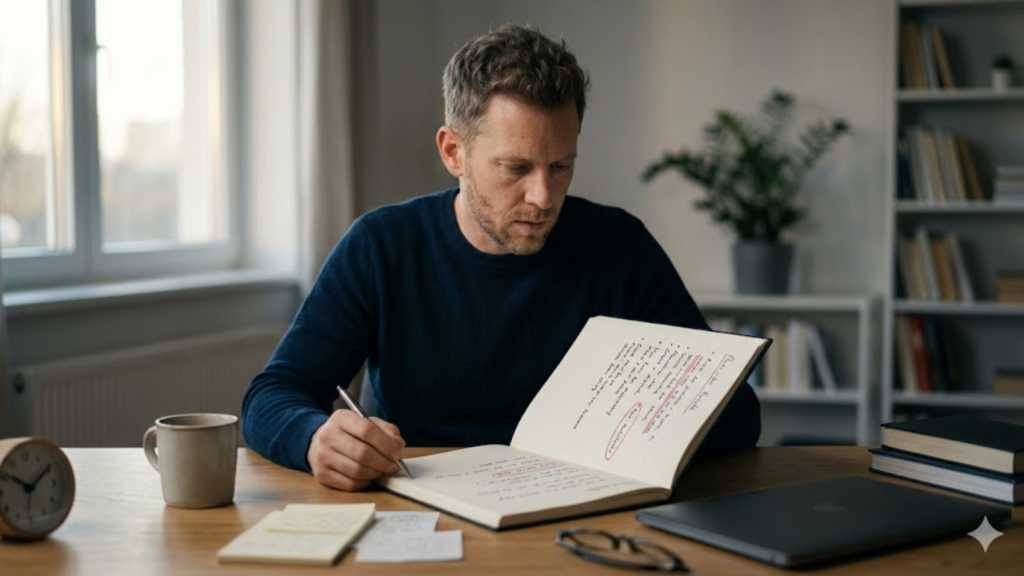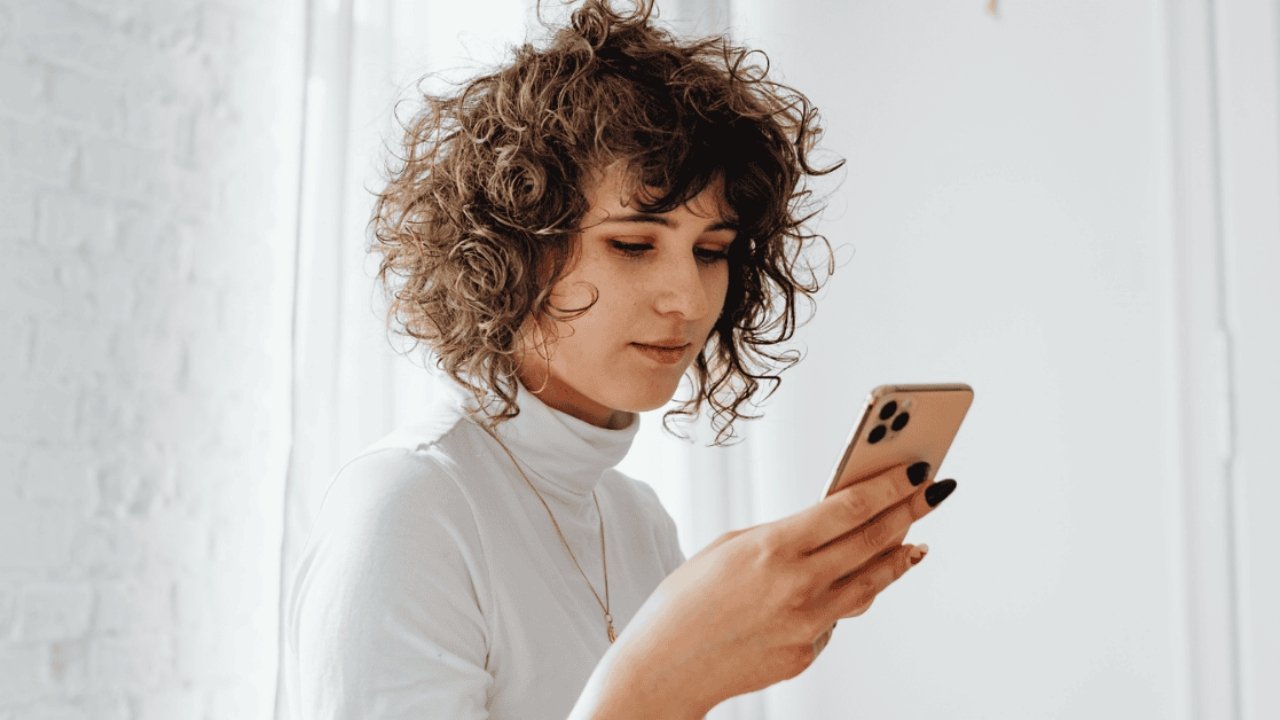
In our hyper-connected world, varied forms of communication can indicate different personality traits. Have you ever noticed people avoid talking on the phone, preferring instead to communicate via text? Texting, as opposed to talking, shows a preference for deep, reflective styles of thinking. This phenomenon is related to cognitive styles, emotional processing, and different styles of social engagement. Recent empirical studies conducted by cognitive psychologists demonstrate that people who prefer texting to talking on the phone exhibit greater levels of introspection, and analytical processing. This texting phenomenon leads to the expectation that messages will be lengthy and well-developed, as opposed to short and quickly sent.
The Brain Power of Texting
Texting and other asynchronous modes of communication create mental breathing room. During moments of composition, people leave themselves ample time to review and revise their reflections to mirror the painstaking tempo of profound thinkers. In a distraction and time-sensitive activity, like a phone call, a responder has to think on a whim in a flawless state. This benefits extroverted individuals, while introverts and those with a preference for thinking tend to find it draining. One of the studies published in the Journal of Personality and Social Psychology claims that text messaging is vastly preferred, and for good reason, by people who are cognitively inclined. Intelligent individuals are more selective in their verbal communication, text messaging being a method that helps limit the sounds of the filler verbal clutter.
Texting and deep thinkers innate preference function the same. They are capable of processing information through reflection. This means that thinking before speaking is almost their default, but when the process of thinking and speaking occurs instantaneously, there is a risk of deep regret for choice of speaking hastily. Texting allows for a more gradual construction of a response, as deep thinkers view themselves as constructing puzzles of intricacies. Time and reflection are essential in texting. As an observer, I can state that in my social environments, WhatsApp is the preferred method of texting for those who wish to engage in multiple multiple or team-player levels of gameplay in a more casual methodology for social interaction rather than being surface-level.
Regulation of Emotion and the Inner World
In addition to answering the questions or solving puzzles for cognitive processing while texting, there are an additional set of more profound emotional thinking layers, especially amongst deep thinkers, that tend to experience rich inner emotional worlds that are more than just a feeling that has the potential to emerge. During the moment of a phone call, the tone of the voice, the pauses, the breathing, and the raw emotions all float in an exposed state. This is especially important to note when texting, as many people find that filtering their response and pulling themselves and/or emotions to the state of being calm helps them to avoid anxiety or excitement. This is an example of how people with “emotional granularity” are able to synthesize their cognitive and emotional reasoning to create a text message that is very well articulated and expressed. This is particularly true with emotions that are very clear and not ambiguous, as many people prefer texting to avoid the emotion of anxiety or excitement to a greater extent than in a phone call.
Introverts’ mental world tends to differ from that of extroverts. One of the pioneers of personality assessments, Carl Jung, explains that introverts recharge through deep thinking. A recent survey from the APA explains that introverts use text communication to gain mental energy because it allows time to think before responding. Because deep connection is valued more than wide connection, deep thinkers are selective with relationships. The opposite is true for the extrovert. The mental recharge process is of less concern to the extrovert as they seek the dopamine rewards of social connection. Texting for deep thinkers acts as a social shield that protects mental energy for the more deep thoughts.
Social patterns have emerged that reinforce this. Consider a professional environment. Most communication is email based, with texting style and allow for thought processing before responding. Match making apps are designed with sifting capabilities to allow connection seekers to vet a unidirectional flow to find compatible matches profiles. Some of this digital socialization is under scrutiny. Some argue that a significant shortcoming of text based communication is the absence of voice communication and body language. In response to this criticism, skilled texters are have been noted to use digital communication technologies to code for things like humor and express emotions to a degree that is greater than what would be expected from a spontaneously vocal response.
Generational trends show that a rise in newly dominated text based communication has higher expressed muted social defined as epistolary communication that has been correlated with the millennial generation being what year more than the screens. Pew Research conducted a survey in 2025 and 72% of adults under 30 reported that they prefer text communication to express a preference for deep thinking. The text based communication on nearly secure policy and the philosophy based podcasts is a clear indicator of deep structural thought.
| Communication Preference | Associated Traits | Example Scenarios |
|---|---|---|
| Texting | High need for cognition, introversion, emotional granularity | Debating ethics, planning projects, sharing personal reflections |
| Phone Calls | Extroversion, quick wit, social energy | Casual catch-ups, crisis support, networking events |
| Video Calls | Balanced traits, visual empathy | Team meetings, family gatherings, therapy sessions |
Textual Depth as a Double-Edged Sword
Communicating through text is favored for its richness in intellect output, but it does come with some drawbacks. Tone is one of the more frequently misused elements of text attributed to the breakdown of relationships, which psychologists term digital deafblindness. Deep thinkers need to come to the fore and opt to use voice calls to add warmth. In a world that is bombarded with information, unfortunately, the filter that text messaging comes with is what makes it a suitable format of communication. People such as authors and therapists attest to text messaging being a means of refining their thought by turning an internal monologue into an external articulation of their wisdom.
Communication preference is a sign of a brain optimized for depth in a chaotic world. It is a celebration of the inclination people have to question things, to analyze, and to develop the ideas that are of a lesser quality to a better quality state in a way that is slow like aging a wine in a barrel. Particularly, as chatbots are programmed to converse like humans, the evidence of a more intelligent and thoughtful people that have a say in the discourse will become even more pronounced.
FAQs
Q1: Why do introverts hate phone calls?
They take time to process their thoughts, which makes real time calls very draining. Introverts favor communication through text.
Q2: Can texting improve critical thinking?
Yes, it makes one have to edit their ideas as the process of thought needs to be very clear to communication.
Q3: Is preferring texts a sign of social anxiety?
Not always, it can be attributed to simply valuing social depth, but anxiety can definitely be a contributing factor in select situations.